Calls to the apartment management office don't let up from the early morning. Leak reports, parking complaints, and construction inquiries all pour in through a single number. Call recording gathers these calls together with their dates and phone numbers.
📞 A day when calls get tangled
When staff are stretched thin, calls come in at the same time. While one person takes a call, a colleague picks up another. Even for the same resident's complaint, different people hear it, and the story splits in two.
When the resident calls back in the afternoon, you hear the same explanation all over again from the start. Notes get skipped in a rush, and when the duty shift changes, the earlier story doesn't carry over. The words are gone, and the burden stays with whoever took the call.
🗂 Gathered through call recording
Recording a call means saving the sound as a file. Call recording means gathering and managing that sound together with the date, time, and phone number. When files are scattered everywhere, you can't find them when you need them.
That's why, for organizations, gathering calls so they can be found matters more than just saving them. When a call ends, AI transcribes the speech and shows it like a conversation. Summaries and to-dos are organized too, so you spend less time listening to a recording from the beginning.
🛡 When a complaint becomes an incident
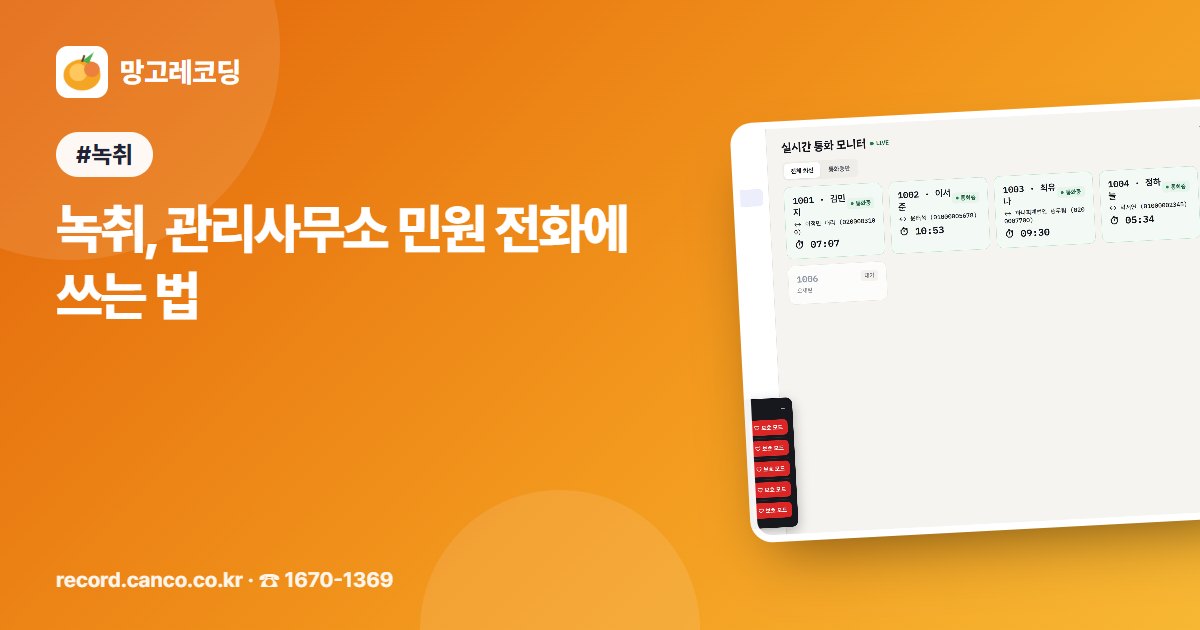
Some calls bring verbal abuse or unreasonable demands. Press Shield mode during a call and an administrator is notified right away. After the call ends, an evidence report is created with flagged words and repeat history.
Calls that came in several times about the same issue can be grouped into one case. Notes and handling progress stay together, showing who promised what. For promises like "We'll send a technician tomorrow," you get a reminder before the deadline.
🔍 What to look for when choosing call recording
First, check where recordings are stored. On-premises keeps the originals on a computer inside your organization, and you decide the retention period and disposal. This is where the question of who owns the data is settled.
Next, check what happens after recording. Searching by date and number is the basics; see whether you can also search by words spoken in the call. Also check whether a record is kept of who listened and who downloaded, and when.
🔧 Installation leaves your phones as they are
Adoption is not a project to replace your phones. In the consultation, we first confirm the number of lines and the features you need. We also preview recording and call search on a real screen.
Then we connect it so the network switch only sends a copy of the call signal. It doesn't sit in the call path, so calls continue as usual. After installation, we show your staff how to search calls and set permissions.
Manggo Recording is a service that records main number, direct line, and extension calls while keeping your existing phones and numbers. The original recordings stay on a call recording PC inside your company, and AI transcribes calls into text and organizes summaries and to-dos. In places with many complaints, the shield and the complaint case folder help you handle difficult calls separately.
In one line: call records aren't only for disputes. They are notes that connect each day's complaints and promises.
❓ Frequently asked questions
Q. Do I have to replace the phones I use now? A. No. You keep your phones, numbers, and PBX as they are. VoIP (internet phone) calls are recorded as they are, too.
Q. Do I need to tell callers that calls are recorded? A. For main number calls, it's best to tell callers at the start. A short notice is enough, such as "This call is recorded for accurate service."
Q. Can anyone listen to recordings? A. Regular users see only their own calls, and only administrators see everything. A record is also kept of who listened and who downloaded.

Comments 0
Be the first to leave a comment.